Zambia
Inomyalgia Explained: Causes, Symptoms & Effective Relief
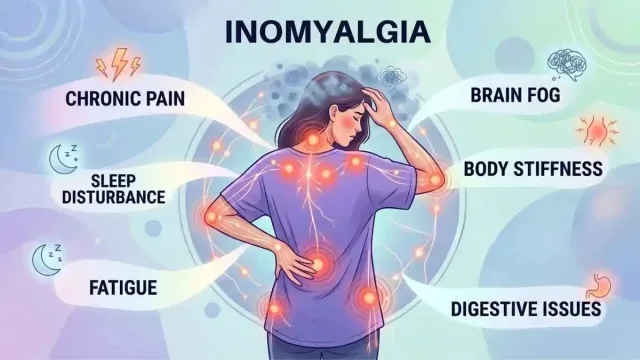
Inomyalgia refers to persistent muscle pain that lasts longer than typical post-activity soreness and may occur without a clear injury. Unlike temporary muscle aches that resolve within a few days, inomyalgia involves ongoing discomfort that can persist for weeks or months. It is not formally…
Picture: Tumfweko
Inomyalgia refers to persistent muscle pain that lasts longer than typical post-activity soreness and may occur without a clear injury. Unlike temporary muscle aches that resolve within a few days, inomyalgia involves ongoing discomfort that can persist for weeks or months. It is not formally recognized as a standardized medical condition but is commonly used to describe chronic or recurring muscle pain similar to conditions such as Fibromyalgia. The condition often begins as mild soreness from exercise, illness, or muscle strain but can develop into long-term pain due to underlying health issues, stress, or musculoskeletal imbalances requiring proper evaluation and care.
How Inomyalgia Differs from Normal Muscle Soreness
To understand inomyalgia better, it’s important to distinguish it from typical muscle soreness, such as Delayed Onset Muscle Soreness (DOMS).
Normal Muscle Soreness
- Occurs after physical activity or exertion
- Peaks within 24–72 hours
- Resolves within a few days
- Is part of the muscle repair and strengthening process
Inomyalgia
- Persists for weeks or months
- May occur without recent physical exertion
- Does not improve significantly with rest alone
- May indicate underlying health issues
This distinction is critical because prolonged pain should not be ignored or assumed to be normal soreness.
Identifying Key Symptoms of Persistent Muscle Discomfort
- Wandering Aches: The pain may not stay in one spot but radiates throughout a muscle group.
- Morning Stiffness: A feeling of being “locked” or “heavy” upon waking that takes significant movement to loosen.
- Pressure Sensitivity: Muscles that feel bruised to the touch even when no discoloration is present.
- Reduced Range of Motion: A gradual tightening of the fascia that limits how far you can comfortably stretch.
Common Triggers: From Intense Exercise to Viral Illness
Inomyalgia can be triggered by a variety of physical and health-related factors. Intense or unaccustomed exercise often leads to muscle overuse, resulting in prolonged pain. Viral infections such as Influenza can also cause widespread muscle aches that may linger beyond the illness. Other triggers include chronic stress, poor posture, muscle inflammation, and nutritional deficiencies. Even minor injuries or repetitive strain can contribute to ongoing discomfort, especially when the body does not get enough time or support to recover properly.
Is Inomyalgia Related to Fibromyalgia? A Comparative Analysis
| Aspect | Inomyalgia | Fibromyalgia |
| Definition | Persistent muscle pain lasting longer than normal soreness | Chronic widespread pain condition affecting muscles and soft tissues |
| Medical Status | Informal, descriptive term (not officially standardized) | Recognized medical condition |
| Pain Pattern | Localized or generalized muscle discomfort | Widespread, often symmetrical body pain |
| Associated Symptoms | Muscle stiffness, fatigue, lingering soreness | Fatigue, sleep disturbances, cognitive issues (“fibro fog”) |
| Cause | Often linked to overuse, stress, or underlying issues | Complex, involving nervous system sensitization and genetics |
The Role of Chronic Muscle Tension and Mental Stress
Chronic muscle tension and mental stress are closely linked and can significantly contribute to persistent muscle pain. When the body experiences stress, it activates the fight-or-flight response, causing muscles to tighten as a protective mechanism. Over time, this constant tension leads to fatigue, stiffness, and ongoing discomfort. Emotional stress can also intensify pain perception, making symptoms feel worse. Poor stress management may prolong recovery, creating a cycle where pain and tension reinforce each other, increasing the risk of conditions like inomyalgia.
Lakatips
The morning briefing
Zambia’s news, before your first meeting
One email each morning with the headlines that matter, from every newsroom we follow. Free, and one click to stop.
When to Seek Professional Medical Advice
Navigating chronic pain requires caution. You should consult a healthcare provider if:
- The pain is accompanied by unexplained weight loss or fever.
- There is significant muscle wasting or loss of strength.
- The discomfort prevents you from sleeping for more than three consecutive nights.
- Standard over-the-counter anti-inflammatories provide zero relief.
A professional can rule out underlying conditions like Polymyalgia Rheumatica or severe Vitamin D deficiencies that might mimic Inomyalgia.
Natural Recovery Methods for Long-Term Muscle Relief
Recovery for Inomyalgia is a marathon, not a sprint. Effective natural methods include:
- Hydration with Electrolytes: Muscles need magnesium, potassium, and calcium to contract and relax properly. Plain water is often not enough for chronic states.
- Heat Therapy: Unlike acute strains (where ice is used), chronic muscle pain usually responds better to heat, which increases blood flow and relaxes tight fibers.
- Gentle Movement: Complete rest is often counterproductive. Low-impact activities like walking or swimming keep the blood moving without overstressing the tissue.
Therapeutic Approaches: Physiotherapy and Myofascial Release
Physiotherapy plays a vital role in managing persistent muscle pain by improving flexibility, strength, and posture through guided exercises. It helps restore normal muscle function and reduces long-term discomfort. Myofascial release, a specialized manual therapy, focuses on relieving tension in the connective tissue (fascia) that surrounds muscles. This technique improves blood flow, reduces tightness, and enhances mobility. Combined, these therapies provide effective, non-invasive relief for conditions like inomyalgia, supporting recovery and preventing further muscle strain or chronic pain development.
Nutrition and Supplements for Muscle Tissue Health
Your diet acts as the building blocks for muscle repair. To combat Inomyalgia:
- Magnesium Glycinate: Known for its ability to relax muscles and improve sleep quality.
- Omega-3 Fatty Acids: Found in fish oil, these help reduce systemic inflammation that keeps muscles “angry.”
- Turmeric and Curcumin: Natural anti-inflammatories that can help manage the daily dull ache without the side effects of NSAIDs.
Lifestyle Adjustments to Prevent Recurring Inflammation
Making healthy lifestyle changes can help reduce the risk of recurring muscle inflammation and support long-term muscle health. Regular moderate exercise improves circulation and keeps muscles flexible. A balanced diet rich in anti-inflammatory foods supports tissue repair. Adequate sleep allows the body to recover effectively. Managing stress through relaxation techniques and maintaining proper posture also plays a key role. Staying hydrated and avoiding overexertion further help prevent strain and inflammation, reducing the likelihood of persistent muscle pain.
FAQs
1. How long does Inomyalgia usually last?
While common soreness lasts 3-5 days, it can persist for 4 weeks to several months depending on the underlying trigger and how quickly treatment begins.
2. Can I exercise with Inomyalgia?
Yes, but intensity must be adjusted. High-intensity interval training (HIIT) may worsen the inflammation, while restorative yoga or light walking can aid recovery by boosting circulation.
3. Is Inomyalgia a permanent condition?
No. Unlike some degenerative muscle diseases, it is typically a functional issue related to tension, stress, or post-viral recovery and can be resolved with the right lifestyle and therapeutic interventions.
Final Thoughts
Persistent muscle discomfort can quietly impact daily life, but with mindful habits, it becomes manageable. Focusing on recovery, balanced movement, and proper posture helps the body stay resilient. Small, consistent lifestyle improvements, like regular stretching, stress control, and adequate rest, can significantly reduce recurring pain. Paying attention to early warning signs allows timely action before issues worsen. By prioritizing overall wellness and seeking guidance when needed, individuals can maintain better mobility, comfort, and long-term physical health without letting pain limit their potential.
Source: Tumfweko — Read more
More to read
All Zambia →
African Commission to assess Zambia’s human rights records in Dakar
The African Commission on Human and Peoples’ Rights is expected to assess Zambia’s progress in meeting its obligations under regional human rights instruments during its 89th Ordinary Session in Dakar, Senegal. Minister of Foreign Affairs and International Cooperation, Mulambo Haimbe, has arrived in Dakar to…

Morocco : King Mohammed VI appoints a new government
King Mohammed VI of Morocco presided on Friday 16 October 2026, at the Royal Palace of Rabat, the ceremony of appointment of the 32 members of the new government, on the proposal of the head of government, Fatima Ezzahra El Mansouri, in accordance with Article…

Incredorable Meaning: Incredible Meets Adorable
Incredorable is a playful blend of incredible and adorable, used to describe something that is both remarkably impressive and irresistibly lovable. It captures a specific reaction: you are amazed by what you see, but you also find it so charming that you cannot help smiling…