Agriculture
Enact law to stop raw maize exports or open franchise firms abroad – NASFA, LCU
The National Association of Smallholder Farmers (NASFA)
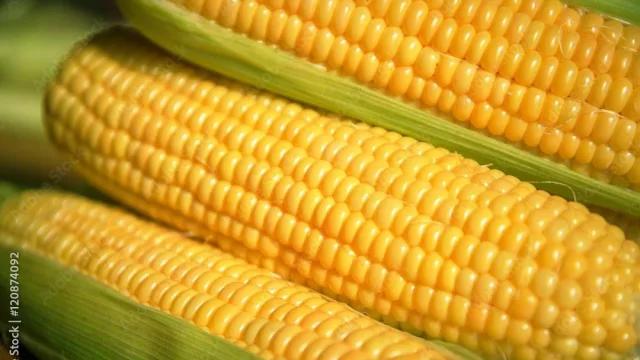
Picture: Zambian Business Times
The National Association of Smallholder Farmers (NASFA) and Livingstone Cooperatives Union (LCU) have called for Zambia to either enact legislation restricting the export of raw maize or ensure that Zambian companies establish processing franchises in countries importing the commodity.
This follows the Food Reserve Agency-FRA agreement to export 540,000 metric tonnes of raw maize to Kenya, with farmers’ groups arguing that Zambia should capture more value from its agricultural produce.
In an exclusive interview with Zambian Business Times-ZBT, NASFA Executive Director, Dr. Frank Kayula said the Kenya deal should be used to push Zambia towards exporting processed maize rather than raw commodities.
“We have been on record for the past 15 to 20 years calling on the government not to sell raw materials, but to endeavour to sell finished products,” said Dr. Kayula.
He explained that exporting processed maize would allow Zambia to retain more value, create jobs and generate additional foreign exchange through local industries.
Lakatips
The morning briefing
Zambia’s news, before your first meeting
One email each morning with the headlines that matter, from every newsroom we follow. Free, and one click to stop.
“We strongly believe that when we export raw materials, we are exporting jobs, and we are looking for more jobs in Zambia,” said Dr. Kayula.
He added that the country should engage institutions such as the Zambia Development Agency (ZDA), the Zambia Agribusiness and Trade Project and local banks to support small and medium-scale maize processing facilities.
“We have a lot of raw materials in this country, so why don’t we engage the ZDA, the Zambia Agribusiness and Trade Project and local private banks to set up small to medium processing facilities,” said Dr. Kayula.
Meanwhile, speaking in another interview with Zambian Business Times-ZBT, Livingstone Cooperatives Union (LCU) Chairperson, Rwinick Mapanza said Zambia should not automatically reject every request for raw maize because importers may have different specifications, including livestock feed or industrial uses.
“If the importer wants raw maize because they want to use it for livestock feed, then it has to be exported in that way, but if it is for consumption, then it is better that it is processed into mealie meal,” said Mapanza.
He explained that Zambia has the capacity to manufacture products demanded by importing countries and could establish franchises abroad to sell finished products closer to the markets.
“If Zambia wants to produce livestock feed or mealie meal, they can go into that country and establish a franchise, just like South Africans or Chinese companies do, and sell the finished product there,” said Mapanza.
He stated that such an approach could enable Zambian businesses to follow their products into foreign markets while retaining more value from processing.
“Where a country requests raw maize according to its specifications, the government and technocrats have to understand the request, but Zambia can also produce the finished product where there is capacity to do so,” said Mapanza.
He told ZBT that Zambia could therefore meet different market requirements while ensuring that exports are formally documented, taxed and, where possible, processed locally to increase the revenue and economic value retained by the country.
Article by Philip Sinkala
Source: Zambian Business Times — Read more
More to read
All Agriculture →New Cattle Centre Boosts Sesheke Farmers
Cattle farmers in Maondo Chiefdom of Sesheke District in Western...

120 Tonnes of Soya Open Doors to China
CAMCO says Zambia’s first soybean consignment to China offers new market opportunities for local farmers...

Agro Input & Machinery Expo 2026 | Day 1 & 2 Highlights
Two days. One platform. A shared vision