Agriculture
FRA Defends maize buying policy.
The Food Reserve Agency’s refusal to buy high‑moisture maize has drawn expert support, with stakeholders saying the move protects taxpayers and national food security. Former Food Reserve Agency (FRA) Marketing Manager Hon. Dr. Edify Hamukale said, buying maize with high moisture is essentially wasting taxpayers’…
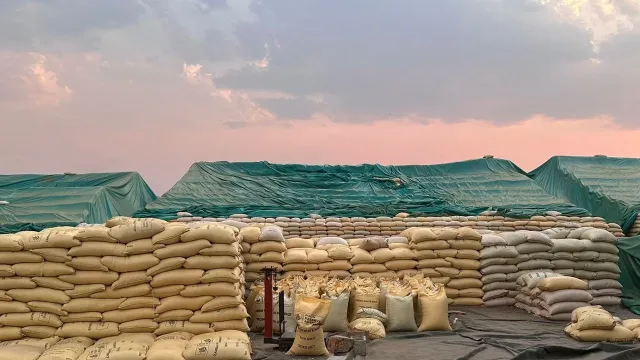
Picture: Lusaka Star
The Food Reserve Agency’s refusal to buy high‑moisture maize has drawn expert support, with stakeholders saying the move protects taxpayers and national food security.
Former Food Reserve Agency (FRA) Marketing Manager Hon. Dr. Edify Hamukale said, buying maize with high moisture is essentially wasting taxpayers’ money.
“If the grain later spoils, citizens will be the first to condemn the agency, FRA is following science, not emotion,” he said.
In an interview with Lusaka Star, Economist Trevor Hambayi said the FRA price is acceptable but the quantity is inadequate.
He cautioned that with climate risks ahead, Zambia cannot afford thin reserves, as this could force costly imports.
Lakatips
The morning briefing
Zambia’s news, before your first meeting
One email each morning with the headlines that matter, from every newsroom we follow. Free, and one click to stop.
Agriculture expert Dr. Frank Kayula welcomed the FRA’s price announcement, saying it matches farmers’ recommendations.
He added that Zambia’s non‑GMO maize deserves a premium label to boost value.
Kayula noted that while 500,000 metric tons may seem small, FRA’s current stocks exceed 1.4 million metric tons.
“If you add 500,000 to that, FRA will have almost 2 million metric tons. That is good enough for food security,” he said.
He also urged farmers not to sell all their maize to FRA, but to keep some for household food security.
Source: Lusaka Star — Read more
More to read
All Agriculture →
120 Tonnes of Soya Open Doors to China
CAMCO says Zambia’s first soybean consignment to China offers new market opportunities for local farmers...
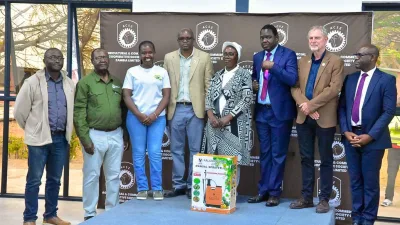
Agro Input & Machinery Expo 2026 | Day 1 & 2 Highlights
Two days. One platform. A shared vision
Is growing rain-fed wheat a non-starter?
Livingstone Cooperatives Union (LCU) has indicated that