Agriculture
Local fertilizer blending has not reduced prices – McLeod
Zambia National Farmers Union (ZNFU) Wheat Chairperson,
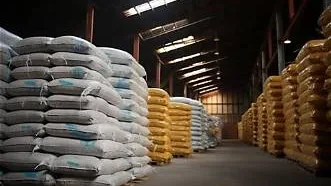
Picture: Zambian Business Times
Zambia National Farmers Union (ZNFU) Wheat Chairperson, Blair McLeod has indicated that local fertilizer blending has not yet reduced the price of fertilizer for farmers despite the establishment of blending plants in Zambia.
Speaking in an interview with Zambian Business Times-ZBT, McLeod said fertilizer prices have remained high because local blending plants still depend on imported raw materials to produce the final products.
“The fact that we have got local blending and new fertilizer plants has not improved our pricing for fertilizer at all, so it has had no effect on the prices that farmers are paying,” he said.
McLeod noted that while fertilizer was now being blended locally, the country continued to import some of the key raw materials required in the manufacturing process, meaning the cost pressures associated with imports remained.
He said most of the new fertilizer plants were still relatively new and were mainly blending imported materials in Zambia rather than producing all the required inputs locally.
Lakatips
The morning briefing
Zambia’s news, before your first meeting
One email each morning with the headlines that matter, from every newsroom we follow. Free, and one click to stop.
“Most of these new fertilizer plants are still new, and what they are doing is blending in Zambia, but the raw materials that come in are imported, so unless we find those raw materials locally, we will not be reducing the cost of fertilizer,” said McLeod.
Meanwhile, he stated that Zambia needs to develop its own sources of key fertilizer raw materials, particularly phosphate and potash, if local production was to have a meaningful impact on prices.
McLeod told ZBT that Zambia has the capacity to produce nitrogen locally but remains dependent on imported phosphate and potash, which continued to contribute to the cost of fertilizer supplied to farmers.
“Until Zambia finds more of its own phosphate and potash, and reduces the need to import those raw materials, local blending alone will not reduce our costs, although it is still a good thing because at least we are making fertilizer in Zambia rather than importing the finished product,” he said.
Article by Philip Sinkala
Source: Zambian Business Times — Read more
More to read
All Agriculture →New Cattle Centre Boosts Sesheke Farmers
Cattle farmers in Maondo Chiefdom of Sesheke District in Western...

120 Tonnes of Soya Open Doors to China
CAMCO says Zambia’s first soybean consignment to China offers new market opportunities for local farmers...
Agro Input & Machinery Expo 2026 | Day 1 & 2 Highlights
Two days. One platform. A shared vision