Lifestyle
Nutritionists must be involved in food standard approval to avoid malnutrition-Expert
The Nutrition Association of Zambia NAZ has
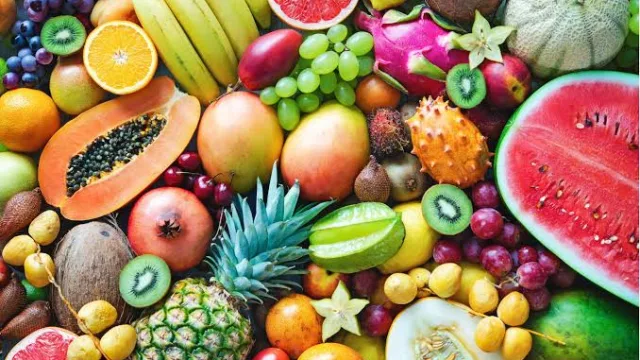
Picture: Zambian Business Times
The Nutrition Association of Zambia NAZ has emphasized the need for nutritionist’s involvement in the development and approval of food standards to help protect the public from products that may contribute to malnutrition and non-communicable diseases.
Speaking in an interview with Zambian Business Times-ZBT NAZ Secretary General Ackim Nkhuwa said the lack of nutrition professionals in processes involving food standards and regulation remains a concern, particularly as the country continues to face rising cases of conditions such as diabetes, hypertension, stroke and heart disease.
“There is a need for a deliberate policy requiring food manufacturers and regulators to consult nutrition experts before approving food products for the market”, said Nkhuwa.
He added that nutritionists have specialised knowledge of the health implications of ingredients used in different foods and beverages, which should be considered when standards are being developed.
“Basically, this is just the involvement of experts, real experts, because most of the people that are there have backgrounds in different fields. They may not have the knowledge of what is contained in the food,” Nkhuwa said.
Lakatips
Advertise on Lakatips
Reach readers following the national conversation
Display, sponsored placements and briefing slots — across politics, business and sport.
He also mentioned that experts with knowledge in areas such as nutritionists could help assess the potential health implications of food products before they reach consumers.
However, Nkhuwa raised concern over what he described as limited consideration of nutrition expertise in the standardisation of imported and locally manufactured food products.
He said regulatory institutions should work more closely with nutrition professionals to ensure that the nutritional content of products is properly assessed.
“If there can be a deliberate policy by the Ministry of Commerce, Trade and Industry to put a policy whereby any food that these corporate companies can make, they can incorporate an expert who understands the implication of drinking or eating this food,” he said.
Nkhuwa also called for increased participation of the private sector in efforts to address malnutrition and non-communicable diseases.
He said while the Government was engaging nutrition professionals through various sectors, including health and agriculture, there was still limited support and cooperation from the corporate world.
“The big challenge is the private sector. We need the involvement of the private sector in combating all these forms of non-communicable diseases and malnutrition,” Nkhuwa said.
He said consumers were increasingly exposed to convenient and highly processed foods and beverages, making it important for manufacturers to provide accurate and meaningful nutritional information.
Nkhuwa said the business community should not only focus on commercial interests but also consider the health consequences of the products being placed on the market.
Article by Philip Sinkala
Source: Zambian Business Times — Read more
More to read
All Lifestyle →
UPND alliance denies allegations of cabinet Minister appointment delays tied to petitioned parliamentary seats
The United Party for National Development (UPND)
Govt reminds Zambians of travel restrictions into U.S. by Trump administration
The United States has imposed restrictions on the entry of Zambian nationals into the country under a presidential proclamation that affects immigrant visas and several categories of non-immigrant visas. The restrictions, which took effect since January 1, 2026 affect Zambian nationals seeking to enter the…
Zambians Urged to Check US Visa Rules Before Travel
The Ministry of Foreign Affairs and International Cooperation has reminded Zambians of...