Agriculture
Without water and grass, 7.4 million cattle target will fail – NASFA
National Association of Smallholder Farmers (NASFA) has
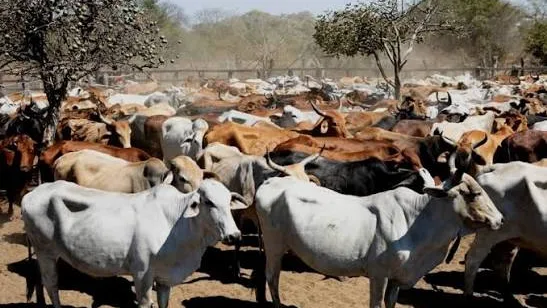
Picture: Zambian Business Times
National Association of Smallholder Farmers (NASFA) has warned that Zambia will struggle to meet its 7.4 million cattle herd target by 2031 without urgent investment in grass and water, as the country braces for El Niño conditions.
In an interview with Zambia Business Times-ZBT, NASFA Executive Director, Dr. Frank Kayula said government is now looking towards an even higher target of 11 million cattle, but this will depend heavily on reliable water, adequate feed and better organisation of smallholder farmers.
“Livestock requires grass for food, and the other food materials that are made into feed also require water, so feed and water are the things that we need to focus on” said Dr. Kayula.
He added that irrigation systems should be expanded across farms, including communal schemes that could reduce costs while providing water to larger groups of livestock farmers.
“We can establish water systems through irrigation, and that is why we are promoting irrigation equipment in as many farms as possible, including communal irrigation systems which may even be slightly cheaper,” said Dr. Kayula.
Lakatips
The morning briefing
Zambia’s news, before your first meeting
One email each morning with the headlines that matter, from every newsroom we follow. Free, and one click to stop.
He stated that Zambia must also increase production of livestock feed by growing maize, sorghum, soybeans, cereals and grass, including irrigated pasture. “We need to grow sufficient grain for livestock feed, but we can also use crops like sorghum and grow grass and irrigate it so that we have enough feed for the animals,” said Dr. Kayula.
Meanwhile, he noted that Zambia can potentially achieve the $1 billion annual beef export ambition by 2031 if smallholder farmers are properly organised and linked to disease-free production systems.
“We can be able to export that much by 2031, especially if we organise the smallholder farmers and make use of the disease-free compartments that have been created by our colleagues in the Zambia Beef Export Project,” said Dr. Kayula.
He told ZBT that farmers must move away from keeping cattle mainly for prestige and instead adopt commercial fattening systems that focus on productivity and market demand.
“We keep livestock for prestige mainly, where people want to see numbers, but we need to organise the system so that we are also looking at markets, fattening as many animals as possible and then selling them,” said Dr. Kayula.
Article by Philip Sinkala
Source: Zambian Business Times — Read more
More to read
All Agriculture →New Cattle Centre Boosts Sesheke Farmers
Cattle farmers in Maondo Chiefdom of Sesheke District in Western...

120 Tonnes of Soya Open Doors to China
CAMCO says Zambia’s first soybean consignment to China offers new market opportunities for local farmers...
Agro Input & Machinery Expo 2026 | Day 1 & 2 Highlights
Two days. One platform. A shared vision