Agriculture
Zambia is losing seeds our grandparents survived on – Caritas
Caritas Zambia has warned that the country
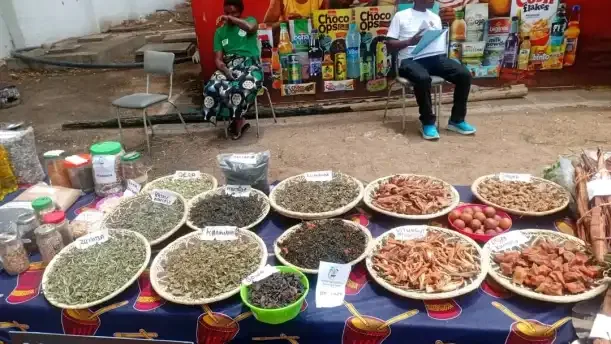
Picture: Zambian Business Times
Caritas Zambia has warned that the country is gradually losing indigenous seed varieties that helped previous generations survive droughts and hunger, raising concerns about the future of food security, nutrition and climate resilience. said Fr. Mapulanga.
He stated that the decline of traditional seeds is also threatening indigenous knowledge preserved by women, particularly elderly farmers who understand how to grow, store and prepare local food varieties passed down through generations.
The warning was issued on Friday, October 30, 2026, during the Zambia Traditional Seed and Food Festival 2026, held under the theme, “Innovate Today. Nourish Tomorrow – Women Farmers Leading with Traditional Seed and Food for Good Health.”
Speaking during the opening of the festival, Caritas Zambia Executive Director, Fr. Gabriel Mapulanga said the country risks losing valuable traditional crops every planting season as farmers increasingly move away from indigenous seeds.
“Every season we answer the question of what seed should go into our soil wrongly, we lose something we can never get back, including sorghum that survived droughts and cowpeas that fed families through hungry months,” The clergy added that indigenous crops such as sorghum, millet, cowpeas, bondwe, chibwabwa, kachesha, kalembula and katapa are increasingly being marginalised, alongside traditional fruits such as masuku and infungo, as processed foods gain popularity.
Lakatips
The morning briefing
Zambia’s news, before your first meeting
One email each morning with the headlines that matter, from every newsroom we follow. Free, and one click to stop.
“Extinction is final, and when a seed is gone, no grant, project or laboratory can bring it back, while the knowledge of how to grow, store and cook it disappears with it,” he said.
The Caritas Zambia Executive Director said traditional seeds should not be regarded as backward because they offer climate-resilient and nutritious alternatives that can support healthier diets while reducing dependence on expensive agricultural inputs.
However, Fr. Mapulanga indicated that women farmers continue to face barriers such as costly irrigation, inadequate processing equipment, weak agricultural extension services and limited access to markets, making it difficult for them to preserve and commercialise indigenous crops.
He called on Government to strengthen policies that protect farmers’ rights to save, exchange and sell traditional seeds, while urging the private sector, universities and research institutions to work with women-led cooperatives to improve processing and market access.
Fr. Mapulanga said the festival should go beyond celebrating traditional food and become a platform for practical partnerships and stronger policies, adding that women farmers must be recognised not merely as food producers but as leaders in building a healthier, more food-secure and climate-resilient Zambia.
Article by Philip Sinkala
Source: Zambian Business Times — Read more
More to read
All Agriculture →
Diesel & Electric-Powered Trucks Unveiled
Pilatus introduces six SANY truck models to the Zambian market, targeting mining, construction, agriculture and...
If you suffocate the private sector, who will buy the maize? Expert questions Govt
Agriculture expert, Oliver Kandela Bulaya has questioned
Govt officials create ghost farmers to steal FISP – Expert
The Farmer Input Support Program (FISP) is