Business
ZIPAR Sets 2027 Budget Test
Chikuba says next year’s spending plan must translate economic growth into jobs, stronger production and...

Picture: Zambia24
Chikuba says next year’s spending plan must translate economic growth into jobs, stronger production and tangible benefits for Zambians
By Francis Maingaila ♥️
Lusaka, Zambia24 — October 26, 2026 — The Zambia Institute for Policy Analysis and Research (ZIPAR) has challenged the government to make the 2027 National Budget a turning point in Zambia’s economic development by ensuring that economic growth translates into jobs, increased production and improved living standards.
ZIPAR researcher Zali Chikuba told journalists at a media briefing that the budget should be judged not only by the amount of money allocated to different sectors but also by whether public spending delivers measurable results for ordinary Zambians and supports the country’s long-term development ambitions under the Grow Zambia Agenda.
Chikuba said Zambia needed a budget that balanced economic ambition with fiscal discipline, particularly as the government faced competing demands for public resources, pressure to finance development programmes and the need to sustain economic recovery.
Lakatips
The morning briefing
Zambia’s news, before your first meeting
One email each morning with the headlines that matter, from every newsroom we follow. Free, and one click to stop.
He said the country’s economic performance had shown signs of improvement, with growth estimated at 3.8 per cent in 2024, revised to 5.4 per cent for 2025, while growth for 2026 was projected at 5.3 per cent.
However, Chikuba cautioned that economic growth alone was not enough if it failed to create employment, expand business opportunities and improve the welfare of citizens.
He said the 2027 Budget should therefore focus on strengthening productive sectors, supporting private-sector investment and addressing the constraints that continued to limit businesses and job creation.
Chikuba identified fiscal discipline as a critical test for the next budget, warning that government revenue and expenditure pressures could undermine development plans if public resources were not managed carefully.
He cited a revenue shortfall of about 18.3 per cent between January and August 2026, alongside expenditure that was reportedly 7.7 per cent above budgeted levels during the same period.
He said the figures highlighted the need for realistic revenue projections, stronger expenditure controls and improved efficiency in the use of public funds.
Chikuba said the government should ensure that budget allocations were supported by credible implementation plans, clear priorities and effective monitoring so that resources produced the intended economic and social benefits.
He also emphasised the importance of private-sector investment, saying the government could not create sufficient jobs or achieve its production ambitions on its own.
He said a more supportive business environment would be essential to attracting investment, expanding existing enterprises and encouraging entrepreneurs to establish and grow businesses.
Chikuba said energy shortages, particularly electricity supply challenges, remained an important constraint on economic activity and needed urgent attention.
He said reliable and affordable energy was necessary for manufacturing, agriculture, mining and other productive sectors, adding that improvements in electricity generation and supply would help businesses operate more efficiently and increase output.
Agriculture was another area he said the 2027 Budget should prioritise, particularly as Zambia pursued ambitious production targets under the Grow Zambia Agenda.
The targets include producing 10 million tonnes of maize, three million tonnes of soya beans and one million tonnes of wheat, alongside expanding beef exports to generate US$1 billion and increasing copper production to three million tonnes by 2031.
Chikuba said achieving these ambitions would require more than announcing targets, stressing the importance of investment in agricultural inputs, irrigation, storage, processing, market access and other support systems needed by farmers and agribusinesses.
He said the budget should also promote value addition so that Zambia could create more jobs and retain a greater share of the value generated from its natural and agricultural resources.
Chikuba further stressed the need to account for climate-related risks, particularly their effects on agriculture, energy supply and economic stability.
He said investment in climate resilience and adaptation would help protect production, reduce vulnerability to weather shocks and support more sustainable economic growth.
On inflation, Chikuba said maintaining price stability remained important for households and businesses, with the medium-term inflation target set at between six and eight per cent.
He said budget decisions needed to support macroeconomic stability while ensuring that essential development priorities were not neglected.
Chikuba said the 2027 Budget would ultimately need to demonstrate that public resources were being directed towards priorities capable of generating lasting economic benefits.
He said the Grow Zambia Agenda would require coordinated action, realistic planning and effective implementation across government and the private sector.
For ZIPAR, he said, the key test would be whether the budget could turn Zambia’s economic ambitions into increased production, sustainable employment and tangible improvements in the lives of citizens.
Source: Zambia24 — Read more
More to read
All Business →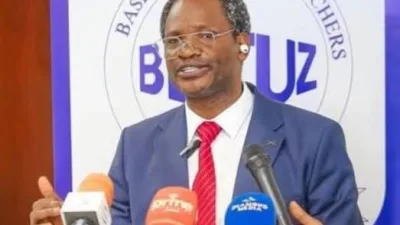
Betuz Expects 20% Budget Allocation to Education
The Basic Education Teachers Union of Zambia (BETUZ) has called on government to allocate at...

Kikonge gold mine licenses meant for cooperatives allegedly being diverted to ‘powerful’ individuals
Allegations of unfair practices have surfaced in
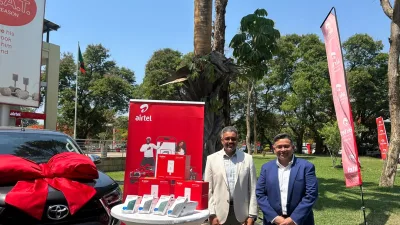
Airtel Pushes Digital Adoption Through Bundle Bonanza Promotion
Airtel Zambia has launched a Bundle Bonanza