Business
Civil Society Demands Transparency over US Health Aid, Minerals Talks
CIVIL society organisations and governance experts have intensified calls for transparency over proposed health and critical minerals agreements between Zambia and the United States, arguing that citizens deserve to know the contents of deals that could affect national sovereignty, healthcare and resource…
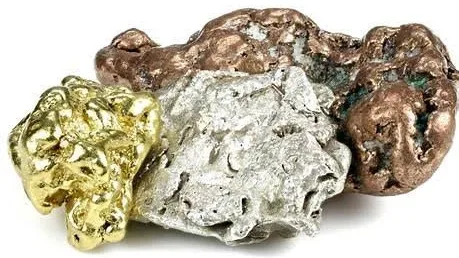
Picture: Daily Nation Zambia
By BARNABAS ZULU
CIVIL society organisations and governance experts have intensified calls for transparency over proposed health and critical minerals agreements between Zambia and the United States, arguing that citizens deserve to know the contents of deals that could affect national sovereignty, healthcare and resource management.
The debate follows Zambia’s decision to suspend negotiations on a proposed five-year U.S. health aid package worth more than US$2 billion, citing concerns over health data sharing requirements. Reports suggesting the deal could be linked to access to Zambia’s critical minerals have further fuelled public scrutiny.
Medical for Quality Healthcare in Zambia (MQHZ) Executive Director Quince Mwabu said international partnerships were important but should not come at the expense of citizens’ rights.
“International partnerships play an important role in strengthening our health system. However, Zambia’s health data must remain fully protected and under the country’s control,” Mr Mwabu said.
Lakatips
For Zambian newsrooms
Your reporting, credited and linked back
Join the newsrooms whose work reaches readers through Lakatips — your name on every story, and a route straight back to you.
He stressed that any data-sharing arrangements should be transparent and backed by strong privacy and cybersecurity safeguards.
Meanwhile, Jesuit Centre for Theological Reflection (JCTR) Programmes Officer Martin Sikonda said agreements involving strategic national resources should be subjected to public scrutiny before being signed.
“Critical minerals are a national resource that belongs to all Zambians. Citizens, Parliament and civil society organisations should have an opportunity to understand and scrutinise any proposed agreement,” Mr Sikonda said.
Political anthropologist and mining expert James Musonda warned that granting preferential access to critical minerals could limit Zambia’s ability to negotiate freely with other international partners.
However, U.S. Embassy Public Affairs Counsellor Naomi Mattos dismissed claims that the proposed health agreement contains provisions relating to mineral access.
“There are no critical minerals provisions in any of the America First Global Health MOUs, including the one proposed to Zambia,” Ms Mattos said.
The matter has also reached the courts after civil society organisations challenged the government’s refusal to disclose the contents of the proposed agreement, with the case expected to be heard next month.
Source: Daily Nation Zambia — Read more
More to read
All Business →Ministry of Mines Completes Allocation of 89 Mining Tenements in Kikonge
The Ministry of Mines and Minerals Development has today completed the allocation...

Manchester United’s winless run stretches to six after Leeds draw
Manchester United’s winless run extended to six matches in all competitions after Leeds United held Michael Carrick’s side to a draw at Elland Road. The result dealt another blow to Carrick, whose team arrived at the home of their long-standing rivals after a turbulent week…

ZCSA moves to expand consumer protection with 42 new proposed standards
The Zambia Compulsory Standards Agency (ZCSA) says it is consulting stakeholders on 42 proposed compulsory standards covering products ranging from food and chemicals to liquefied petroleum gas (LPG) and sanitary pads as part of efforts to strengthen consumer and environmental protection. ZCSA Public Relations Officer…