Zambia
Homecz: Czech Precision Meets Calm Intelligence
“Homecz” might sound geographical, a fusion of home and CZ, the shorthand for the Czech Republic. But treating it as a regional design label misses what makes the concept compelling. Homecz is better understood as a philosophy of modern living. It blends two seemingly different…
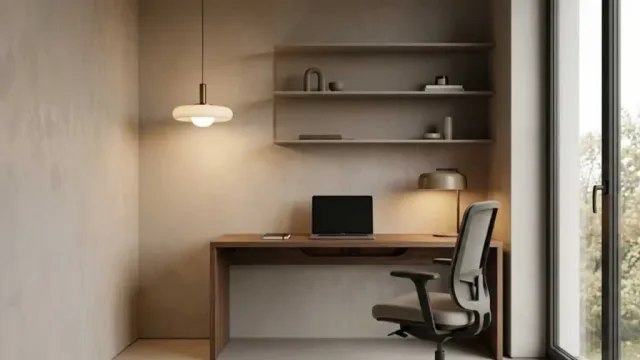
Picture: Tumfweko
“Homecz” might sound geographical, a fusion of home and CZ, the shorthand for the Czech Republic. But treating it as a regional design label misses what makes the concept compelling.
Contents- Why the Homecz Philosophy Resonates Today
- Key Characteristics of the Czech Side
- 1. Practical Engineering
- 2. Material Integrity
- 3. Longevity Over Fast Design
- The Japanese Zen Element: Space as a Living Tool
- What a Homecz Lifestyle Looks Like in Practice
- Why Homecz Appeals to Remote Workers and Creatives
- Common Misunderstandings
- “It’s Just Another Minimalist Trend”
- “You Need an Expensive Designer Home”
- “It Means Living With Almost Nothing”
- FAQ
- How is Homecz different from Scandinavian minimalism?
- Can small apartments follow Homecz principles?
- Does Homecz require expensive furniture?
- Final Thoughts
Homecz is better understood as a philosophy of modern living. It blends two seemingly different traditions: the structural precision and practicality associated with Central European craftsmanship, particularly Czech design culture, and the calm, intentional minimalism found in Japanese Zen principles.
The result is not sterile minimalism or luxury aesthetics for social media. It is a way of organizing life so that spaces work better, feel quieter, and support daily routines without demanding attention.
Why the Homecz Philosophy Resonates Today
Modern homes are overloaded. Too much furniture. Too many notifications. Too many decorative choices competing for attention. Even highly designed interiors often create subtle mental fatigue because nothing feels intentional.
It responds to that overload with restraint and clarity. The Czech influence brings functional intelligence: durable materials, efficient layouts, modular thinking, and engineering-minded practicality. The Japanese influence introduces stillness, visual balance, and respect for empty space. Together, they create homes that feel calm rather than performative.
Lakatips
The morning briefing
Zambia’s news, before your first meeting
One email each morning with the headlines that matter, from every newsroom we follow. Free, and one click to stop.
Key Characteristics of the Czech Side
1. Practical Engineering
Furniture should solve problems, not create them. Storage is integrated rather than added later. Layouts prioritize movement and efficiency.
2. Material Integrity
Instead of synthetic finishes pretending to be something else, materials are appreciated for what they are: oak looks like oak, steel looks like steel, linen looks like linen.
3. Longevity Over Fast Design
Homecz rejects disposable decor culture. The philosophy leans toward fewer, better-made objects that age gracefully.
This approach feels increasingly relevant in an era dominated by temporary trends and mass-produced aesthetics.
The Japanese Zen Element: Space as a Living Tool
Zen-inspired living focuses on the relationship between environment and mental state. Clutter is not merely visual; it affects attention, mood, and energy. Homecz adopts several important ideas from this tradition.
Not every wall needs decoration. Not every shelf needs objects. Empty space has function because it allows the mind to rest. Small daily actions, making tea, opening windows in the morning, organizing a workspace before bed, become grounding routines rather than rushed obligations.
Lighting, texture, sound, and layout influence emotional comfort more than most people realize. Homecz interiors often use indirect lighting, natural fibers, and acoustically softer materials because they subtly reduce stress.
What a Homecz Lifestyle Looks Like in Practice
It is not limited to architecture or furniture. It extends into routines, digital habits, and work-life structure.
A person following this philosophy might:
- Keep technology intentionally hidden when not in use
- Prefer one high-quality desk setup over multiple scattered gadgets
- Design rooms around flow and utility instead of decoration density
- Use calming sensory elements like warm light, wood textures, or quiet corners
- Avoid impulse purchases that disrupt visual and functional harmony
Importantly, Homecz does not demand perfection. The philosophy accepts lived-in spaces. A reading chair with wear marks or a handcrafted ceramic mug fits the aesthetic because authenticity matters more than polished uniformity.
Why Homecz Appeals to Remote Workers and Creatives
The rise of remote work has changed how people think about home environments.Homes are no longer just places to sleep. They are now offices, studios, meeting spaces, recovery zones, and creative environments
A cluttered room subtly competes for attention. A chaotic workspace increases decision fatigue. In contrast, organized and visually balanced environments often improve concentration and emotional steadiness. This is why many designers, writers, architects, and tech professionals are drawn toward Homecz-inspired spaces. The environment supports focus without feeling clinical.
Common Misunderstandings
“It’s Just Another Minimalist Trend”
Not exactly.
Minimalism often becomes rigid or aesthetic-driven. Homecz is more functional and human-centered. Comfort and warmth remain essential.
“You Need an Expensive Designer Home”
False.
The philosophy is less about cost and more about intentionality. Rearranging furniture for better flow or removing unnecessary visual clutter already reflects Homecz principles.
“It Means Living With Almost Nothing”
Homecz does not glorify emptiness. It encourages keeping things that genuinely improve daily life while removing distractions that do not.
FAQ
Scandinavian design often emphasizes coziness and brightness, while Homecz leans more toward structural precision, intentional space usage, and Zen-inspired calm.
Can small apartments follow Homecz principles?
Absolutely. In fact, smaller spaces benefit the most from thoughtful layouts, integrated storage, and visual simplicity.
Does Homecz require expensive furniture?
No. The philosophy prioritizes function, durability, and intentional choices rather than luxury branding.
Final Thoughts
Homecz represents a growing shift in how people define comfort and success inside the home. Instead of chasing decorative excess or trend-driven interiors, the philosophy asks a quieter question: Does your environment support the way you actually want to live?
By combining Czech practicality with Japanese mindfulness, Homecz creates spaces that feel grounded, efficient, and emotionally restorative. In a world filled with noise, that balance is becoming less of a luxury and more of a necessity.
Source: Tumfweko — Read more
More to read
All Zambia →
The King of Morocco chairs a Council of Ministers
His Majesty the King of Morocco Mohammed VI accompanied by His Royal Highness the Crown Prince Moulay El Hassan, presided, this Saturday, October 17, 2026 at the Royal Palace in Rabat, a Council of Ministers dedicated to the examination and adoption of the general guidelines…
948 Teenage Pregnancies Recorded in Chadiza
The Chadiza District health office has recorded 948 teenage pregnancies between January...

Litunga Celebrates Coronation Anniversary
The Barotse Royal Establishment has announced that the coronation anniversary of the...