Business
Lusaka-based Chineseowned copper mine Sino Xinyuan reports over 20% drop in copper production
Sino Xinyuan Mining Company Limited, a Chinese-owned
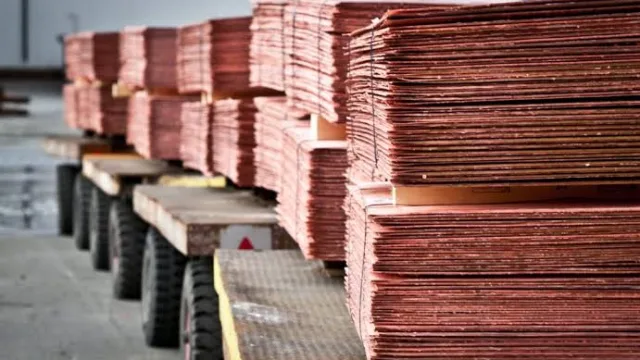
Picture: Zambian Business Times
Sino Xinyuan Mining Company Limited, a Chinese-owned copper mining firm operating in Lusaka’s Kasisi area, Chongwe District, has reported a significant drop of more than 20% in copper production during the first seven months of 2026.
The company, incorporated on May 10, 2021, conducts large-scale underground copper mining under License No. 26238-HQ-LML. Currently, Sino Xinyuan is transitioning from underground operations to a proposed open-pit mine at the Kasisi East ore body in Chongwe District, Lusaka Province.
Official mineral production reports indicate that Sino Xinyuan’s copper output fell from 1,100 metric tonnes between January and July 2025 to approximately 900 metric tonnes for the same period in 2026.
“According to company policy, I am unable to give any comment,” she stated, adding, “All our mining plans, whether for last year or coming years, have been submitted to the Ministry of Mines. All data is available with the Ministry.”
When contacted by the Zambian Business Times (ZBT) for a comment on the production decrease, the company’s Business Development Manager, Madelyn Deng, declined to provide details, citing company policy.
Lakatips
Advertise on Lakatips
Reach readers following the national conversation
Display, sponsored placements and briefing slots — across politics, business and sport.
The decline in production comes amid the Zambian government’s ambitious target to reach 1 million metric tonnes of copper output by the end of 2026 and 3 million metric tonnes by 2031.
The recent 21% decline, officially confirmed by the Ministry of Mines, raises questions, especially as the government targets producing 1 million tonnes of copper this year, and all Mining firms are considered key contributors to these national targets.
Article by Tyndale Muchiya
Source: Zambian Business Times — Read more
More to read
All Business →
SADC urges investment in disaster resilience and financing mechanisms
The Southern African Development Community (SADC) has called for increased investment in long-term disaster resilience and sustainable financing mechanisms to minimise losses, protect livelihoods and help countries recover more quickly from disasters. SADC Deputy Executive Secretary for Corporate Affairs, Dr Judith Kateera, said floods, droughts…

ZRA seizes goods worth K22.5 million, impounds three stolen vehicles
The Zambia Revenue Authority (ZRA) and partner law enforcement agencies have seized assorted goods worth an estimated K22.5 million and impounded three vehicles confirmed to have been stolen outside Zambia during joint operations conducted from October 5 to 9. The operations were carried out across…

Zambia urged to strengthen waste controls over microplastic pollution risks
Environmental health advocate, Christopher Mtonga, has warned that microplastic pollution poses a threat to Zambia’s aquatic ecosystems and public health, calling for stronger waste management and pollution control measures. In a statement issued in Lusaka on Sunday, Mtonga said public discussions had largely focused on…