Business
Govt raises concern over plastic waste as Zambia generates 3.7m tonnes annually
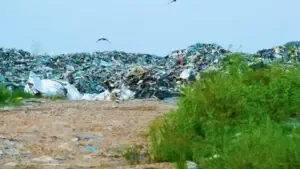
Zambia generates an estimated 3.7 million metric tonnes of waste annually, but only 45 percent is managed through formal waste management services, according to the Ministry of Green Economy and Environment. The remaining waste is buried, burnt, left in the environment or disposed of at…
Picture: Zambia Monitor
Zambia generates an estimated 3.7 million metric tonnes of waste annually, but only 45 percent is managed through formal waste management services, according to the Ministry of Green Economy and Environment.
The remaining waste is buried, burnt, left in the environment or disposed of at sites where it can pose serious risks to air and water quality, ecosystems, and human and animal health.
Ministry Permanent Secretary, Dr. Douty Chibamba, said this during a stakeholder meeting to review the implementation of the Extended Producer Responsibility (EPR) Regulations involving manufacturers, collectors, sorters and recyclers of plastic and plastic waste.
The meeting was attended by Zambia Environmental Management Agency (ZEMA) Acting Director General Dr. Joel Kabika, senior government officials and representatives of manufacturing and recycling companies.
Chibamba said plastic pollution was considered one of the world’s most pressing environmental challenges, alongside climate change and biodiversity loss.
Lakatips
The morning briefing
Zambia’s news, before your first meeting
One email each morning with the headlines that matter, from every newsroom we follow. Free, and one click to stop.
“Plastic pollution is considered one of the most pressing global environmental challenges alongside climate change and biodiversity loss. This is mainly due to the polluting effects of plastics production and disposal processes on the air, water and ecosystems, as well as on human and animal health,” he said.
He said more than 300 million tonnes of plastic were produced globally each year, with the accumulated amount projected to reach 33 billion tonnes by 2050, making plastic waste management an urgent global concern.
“Zambia is no exception to the effects caused by pollution from plastic waste. Waste management is a challenge across Zambia, with an estimated 3.7 million metric tonnes of waste generated per annum,” Chibamba said.
He said the Government had introduced policies and legislation to address waste pollution, including the National Policy on Environment, the Environmental Management Act and the Extended Producer Responsibility Regulations under Statutory Instrument No. 65 of 2018.
Chibamba said ZEMA had conducted a national inventory of plastic waste using material flow analysis tools associated with the Basel, Rotterdam and Stockholm Conventions to establish baseline data on plastic waste generation, collection, recycling and leakage into the environment.
“Cities in Zambia dominate annual plastic-waste generation – cities generate 122,391 tonnes per year, municipalities generate 12,354 tonnes per year while towns generate 4,522 tonnes per year,” he said.
He said the findings showed that approximately 57.7 per cent of plastic waste generated in cities was uncollected, while about 17.5 per cent was recycled. No recycling was recorded in municipalities and towns, while approximately 23,960 tonnes of waste per year was disposed of through uncontrolled methods in cities.
Chibamba added that the rate of plastic waste leakage into the environment stood at about 23 per cent in cities, compared with approximately 84 per cent in municipalities, highlighting gaps in collection services and recycling infrastructure.
“The findings demonstrate that while significant opportunities exist to improve plastic waste management in Zambia, the current levels of waste leakage, low collection rates, and limited recycling infrastructure require urgent and coordinated action from all stakeholders,” he said.
He urged producers and importers to comply fully with their EPR obligations by investing in waste collection, recovery and recycling systems, as well as adopting eco-design and sustainable packaging solutions.
Chibamba also called on local authorities to strengthen waste management systems and work with the private sector and communities to improve waste collection and segregation at source.
He encouraged recyclers to view plastic waste as a valuable economic resource that could create jobs and support sustainable growth.
Chibamba said the Government remained committed to creating an enabling policy and regulatory environment that promotes responsible production, resource efficiency, environmental protection and green economic growth.
He expressed hope that the stakeholder meeting would generate practical recommendations to strengthen the implementation of the EPR Regulations.
Meanwhile, Kabika called for a coordinated approach between the Government and the private sector to address plastic pollution.
He emphasised that tackling the problem required the participation of all stakeholders across the plastics value chain.
WARNINGAll rights reserved. This material, and other digital content on this website, may not be reproduced, published, broadcast, rewritten or redistributed in whole or in part without prior express permission from ZAMBIA MONITOR.
Source: Zambia Monitor — Read more
More to read
All Business →
HH Targets Doubling Zambias Economy
President HAKAINDE HICHILEMA has set an ambitious target of more than doubling the size of...
Govt Calls for Business Support on 24-Hour Economy
Government says stronger collaboration with the private sector will be critical to...
Exports to drive Zambian economy – Musokotwane
Zambia's economic growth over the next five years will be driven by exports, the country's finance minister has said, as the government seeks to boost production and tackle poverty.