Agriculture
Mansa, Isoka & Mpika GHOST FARMERS grabbed 2025/2026 FISP inputs worth K19m – AG report discloses
According to official Government data, Guideline 3.1
Picture: Zambian Business Times
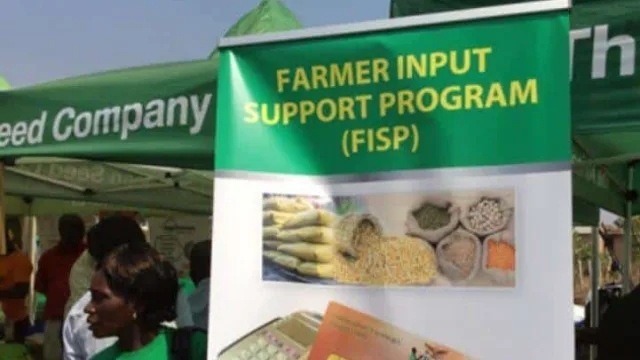
According to official Government data, Guideline 3.1 of the 2025/2026 Farmer Input Support Programme (FISP) Electronic Voucher Implementation Handbook provides that the approved beneficiary list must be drawn from the existing national farmer register within ZIAMIS, with those not on the register automatically ineligible to participate.
Meanwhile, the report seen by the Zambian Business Times (ZBT) indicates that in 2025, contrary to the guidelines, 2,339 farmers whose details could not be traced on the authorised national farmer register redeemed inputs worth K19,647,400.
A further review shows that the irregular redemptions were concentrated in Muchinga and Luapula provinces, with Isoka recording the largest share at 1,343 farmers who accessed inputs worth K11,281,200.
Mpika accounted for another 995 unapproved farmers who redeemed inputs worth K8,358,000, while Mansa recorded one farmer who accessed K8,200 worth of inputs.
Speaking in an interview with ZBT, agriculture expert, Gilbert Banda said the latest findings point to persistent weaknesses in the administration of FISP, which is intended to support small-scale farmers.
Lakatips
The morning briefing
Zambia’s news, before your first meeting
One email each morning with the headlines that matter, from every newsroom we follow. Free, and one click to stop.
Banda said the existence of farmers whose details cannot be traced in the authorised register raises concerns about how beneficiaries are identified, verified and approved to access subsidised agricultural inputs.
“When you hear about ghost farmers, it means there is a whole system involving the people given the responsibility to administer the programme, and those creating these ghost farmers may be the ones benefiting instead of the real farmers,” he said.
Banda added that the diversion of inputs to unverified beneficiaries undermines the programme’s purpose because resources meant to improve agricultural production and support genuine farmers can end up benefiting people who do not qualify.
He called for greater transparency in FISP administration, arguing that the government must strengthen controls to ensure only eligible farmers receive the inputs.
“With digitalisation, it should be possible to clean out these ghost farmers, and the people responsible for FISP just need to pull up their socks and begin doing the right thing so that the intended beneficiaries can benefit,” said Banda.
He described the reported irregularities as a setback to national development, saying public resources intended to strengthen small-scale farming should not be diverted through weaknesses in programme administration.
Source: Zambian Business Times — Read more
More to read
All Agriculture →
NATSAVE Bank in 2025/2026 farming season gave K83m loans to 960 farmers who never applied – Auditor Generals report reveals
According to the AG’s report, NATSAVE made
As FRA withdraws from crop marketing, will farmers adapt or lose out?
The National Association of Smallholder Farmers (NASFA)
47,000 Farmers Redeem Inputs in NP
Over forty seven thousand farmers in Northern Province have redeemed their farming inputs under...