Business
Policy institute, UNICEF urge sustained investment in children
The Zambia Institute for Policy Analysis and Research (ZIPAR) and UNICEF have called for sustained investment in health, education, nutrition and social protection as Zambia records encouraging progress in economic stability. ZIPAR and UNICEF encouraged policymakers to protect investment in health, education, nutrition, social protection…
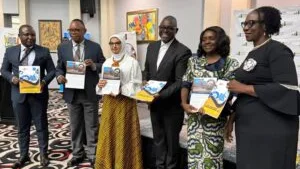
Picture: Zambia Monitor
The Zambia Institute for Policy Analysis and Research (ZIPAR) and UNICEF have called for sustained investment in health, education, nutrition and social protection as Zambia records encouraging progress in economic stability.
ZIPAR and UNICEF encouraged policymakers to protect investment in health, education, nutrition, social protection and WASH as fiscal pressures increase, and to use the fiscal space created through debt restructuring to increase investment in children.
The two organizations gave the recommendations during the launch of the annual Mid-Year Budget Analysis Report and the policy brief: “Turning Debt Relief into Investment for the Next Generation,” in Lusaka on Tuesday.
The 2026 Mid-Year Budget Analysis Report finds that Zambia maintained progress in macroeconomic stability during the first half of 2026, supported by lower inflation, exchange rate stability and continued implementation of economic reforms.
They said the reports offered evidence to inform policy dialogue and protect investments in children and vulnerable households as government managed fiscal pressures.
Lakatips
Advertise on Lakatips
Reach readers following the national conversation
Display, sponsored placements and briefing slots — across politics, business and sport.
“Zambia has successfully restored macroeconomic stability and fiscal prudence, but stability and discipline are the foundation, not the finished house,” said Zali Chikuba, ZIPAR Executive Director.
Chikuba said the task before government, development partners and civil society was to convert macro stabilization into resilient human capital.
“The recommendations presented today provide a practical roadmap. They encourage stronger prioritization of social spending, better budget execution, greater efficiency, stronger accountability and closer monitoring of results,” said Dr. Saja Farooq Abdullah, UNICEF Zambia Representative.
Abdullah said the recommendations were investments in Zambia’s human capital, and that every kwacha invested in children strengthens the country’s future workforce, builds resilience and supports inclusive economic growth.
“As we move forward, let us keep one principle firmly in mind: recovery is successful only when children benefit from it,” he said.
Meanwhile, Permanent Secretary Budget and Economic Affairs, at the Ministry of Finance and National Planning, Mwaka Mukubesa welcomed the reports as they represented feedback and enhanced greater accountability and good governance, which were essential ingredients for effective public service delivery.
Mukubesa added that as government formulated the 9th National Development Plan, priorities included ensuring macroeconomic and development milestones achieved were sustained and translated into better service delivery, stronger human capital and tangible improvements in the lives of Zambians.
“The policy brief highlights the importance of ensuring that gains from economic recovery and debt restructuring translate into sustained investment in health, education, social protection, nutrition, water and sanitation services critical to children’s well-being,” he said.
The launch brought together government representatives, policymakers, development partners, civil society, academia, media and other stakeholders to discuss fiscal performance and social sector spending trends.
The two reports contribute to ongoing policy dialogue on how Zambia can build on recent macroeconomic gains, strengthen investment in people, and ensure that the benefits of economic recovery and debt restructuring contribute to improved outcomes for current and future generations.
WARNING! All rights reserved. This material, and other digital content on this website, may not be reproduced, published, broadcast, rewritten or redistributed in whole or in part without prior express permission from ZAMBIA MONITOR.
Source: Zambia Monitor — Read more
More to read
All Business →
GlobeInsightBlog: Your Gateway to Global News and Analysis
GlobeInsightBlog is a digital publication that delivers insightful, well-researched content on global trends, international affairs, and underreported stories. GlobeInsightBlog focuses on providing readers with clear, actionable analysis, bridging the gap between experts, policy discussions, and general audiences. Its goal is to make complex global issues…

FintechZoom.io: Expert Analysis for Smart Investing
FintechZoom.io is a cutting-edge financial research platform designed to provide investors, both novice and experienced- with real-time market data, in-depth analysis, and educational resources. It tracks major indices like the Nasdaq and the Dow Jones, monitors cryptocurrency trends, and offers insights into precious metals. By…

When Political Analysis Becomes Political Fiction: Sishuwa Sishuwa’s Dangerous Conspiracy Theory
Editor Zambia As usual, Sishuwa Sishuwa’s latest intervention, titled “The Quest for a Life Presidency: How Hichilema Plans to Destroy the Opposition,” is presented as political analysis, but reads less like sober scholarship and more like an elaborate political indictment constructed almost entirely