Politics
US Asks Russia to Pressure Iran to Reopen Strait of Hormuz
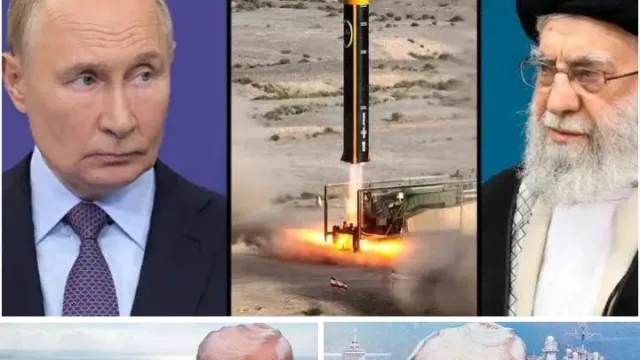
The United States has reportedly asked Moscow to use its influence over Tehran to push Iran toward reopening the Strait of Hormuz, according to two senior Iranian sources familiar with the matter. The request was reportedly conveyed during CIA Director John Ratcliffe’s recent visit
Picture: Zambian Observer
US Asks Russia to Pressure Iran to Reopen Strait of Hormuz
The United States has reportedly asked Moscow to use its influence over Tehran to push Iran toward reopening the Strait of Hormuz, according to two senior Iranian sources familiar with the matter.
The request was reportedly conveyed during CIA Director John Ratcliffe’s recent visit to Moscow, with Russian officials subsequently informing Iranian counterparts that Washington wanted Moscow to pressure Iran to restore commercial navigation through the strategic waterway.
According to the Iranian sources, Washington also warned that if Moscow failed to cooperate, Russian banks, traders and transportation companies linked to Iranian oil, gold and aviation could face additional US sanctions under an operation reportedly referred to as “Economic Outcast.”
The sources said Russia rejected the US request, arguing that the threatened measures would have limited impact and would not force Moscow to alter its position toward Tehran.
The Strait of Hormuz remains at the center of the confrontation between Iran and the United States, with diplomatic efforts involving Iran and Oman continuing as negotiations over maritime access and the broader conflict remain unresolved.
Lakatips
Advertise on Lakatips
Reach readers following the national conversation
Display, sponsored placements and briefing slots — across politics, business and sport.
Who Is Winning?
The reported Russian refusal would underscore the limits of Washington’s ability to isolate Tehran through pressure on Moscow. China and Russia remain important economic and strategic partners for Iran, potentially reducing the effectiveness of unilateral US sanctions.
However, claims that the United States has been “defeated” militarily or politically should be treated cautiously. The conflict remains fluid, and the ultimate outcome will depend on whether diplomacy can reopen the Strait, whether Iran and the US reach an agreement, and how long the confrontation can be sustained economically and militarily.
The crisis could also carry domestic political consequences in the United States, particularly if disruptions around Hormuz continue to affect energy prices, global trade and the American economy ahead of the November midterm elections.
For now, the central question remains: Can Washington force Tehran to reopen Hormuz or will Russia and China help Iran withstand the pressure?
Source: Zambian Observer — Read more
More to read
All Politics →
‘No one should be unlawfully detained,’ Amnesty calls for lawyer access to Jay Jay Banda
Amnesty International Africa has urged Zambian authorities to facilitate a medical examination and access to a lawyer for former Petauke Member of Parliament Emmanuel “Jay Jay” Banda following his arrest and transfer to Zambia. Zambian authorities have confirmed that Banda, a former MP and government…

Bemba Royal establishment raises the alarm over alleged attempt to desecrate Kafwaya’s grave
The Bemba Royal Establishment has alleged that heavily armed people travelling in six vehicles were reportedly using threats and coercion to force villagers in Lisunga territory to show them the grave of the late Cabinet minister, Mutotwe Kafwaya. The Establishment said Bemba customary governance required…
U.s. Tightens Visa Rules for Zambians
The Ministry of Foreign Affairs and International Cooperation says some Zambians are restricted from entering the United States under new travel measures that took effect on January 1, 2026. The restrictions affect people applying for immigrant visas and certain non-immigrant visas, including those for business…