Agriculture
Irrigation critical to producing 1 million MT of wheat by 2031
Zambia National Farmers Union (ZNFU) Wheat Chairperson
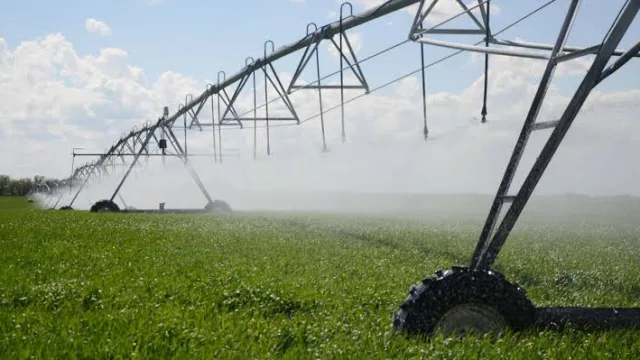
Picture: Zambian Business Times
Zambia National Farmers Union (ZNFU) Wheat Chairperson Blair McLeod has indicated that for Zambia to achieve the one million metric tonne wheat production target by 2031, the country must invest heavily in water harvesting and irrigation.
Speaking in an interview with Zambian Business Times-ZBT, McLeod noted that the target is achievable if the government creates conditions that allow more farmers to produce wheat under irrigation.
He said Zambia needs to build more dams and harvest water to support wheat production beyond areas that currently have reliable water supplies.
“The target is definitely achievable as long as the government supports harvesting of water, including dams, and gets more areas into irrigation,” said McLeod.
The ZNFU wheat chairperson added that emerging farmers must also be brought into irrigation because expanding irrigated production will be critical to increasing national wheat output.
Lakatips
For Zambian newsrooms
Your reporting, credited and linked back
Join the newsrooms whose work reaches readers through Lakatips — your name on every story, and a route straight back to you.
McLeod noted that the country needs national dams that can provide reliable water for agriculture and reduce dependence on seasonal rainfall.
“We need to harvest more water and get more areas, including emerging farmers, into irrigation, so what our country needs to build is national dams,” he said.
McLeod further said that local blending of fertilizer has not yet translated into lower prices because Zambia continues to import key raw materials used in fertilizer production.
He said Zambia needs to develop local sources of phosphate and potash if fertilizer production costs are to fall and farmers are to access cheaper inputs.
“Until Zambia finds more of its own phosphate and potash, we will still be importing the raw materials, and unless we find those raw materials in Zambia, we will not be producing at our cost,” said McLeod.
Article by Philip Sinkala
Source: Zambian Business Times — Read more
More to read
All Agriculture →
Mansa Records 3 Rabies Cases in Third Quarter 2026
Mansa Municipal Council, through the Fisheries, Livestock and Veterinary Services Department, has raised a rabies...
Kenya maize deal: Will farmers get more than FRA payments?
Livingstone Cooperatives Union (LCU) has indicated that
Can Zambia double maize output to 10m tonnes by 2031?
The Zambian government is targeting to reach